
My gastric sleeve surgery: One year later by Hayley Godfrey
Introduction: A Quiet but big change
One year ago, on 1 July 2025, simple things felt hard. Walking made me puffed. My joints hurt. I worried about my health every day.
Now, one year later, I feel lighter, stronger, and more confident. I can move more easily, and I have more energy.
I had gastric sleeve surgery because I was worried about my weight, and my family was worried too. The surgery helped, but the biggest changes happened inside me. I had to learn new habits, be patient, and look after myself every day.
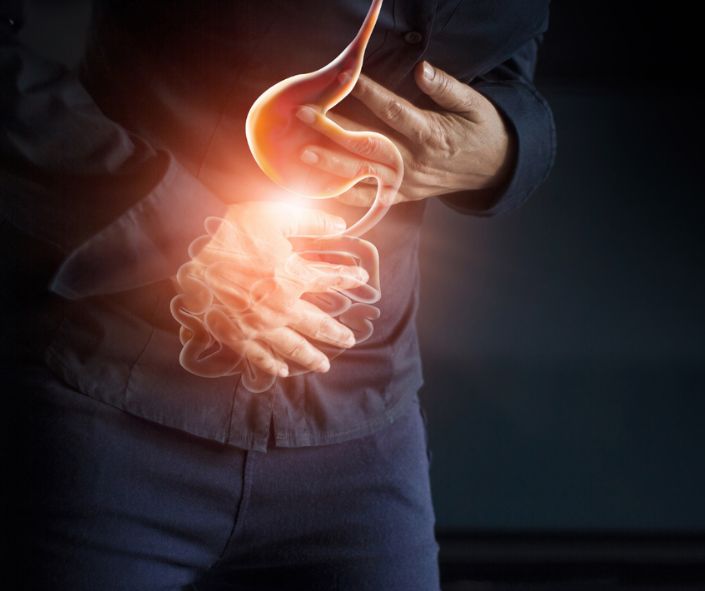
The Toolkit: Surgery is not a quick fix
Why I chose surgery
I chose surgery because:
- I was very overweight.
- I felt tired and sore all the time.
- My family was worried about my health.
- I wanted my life back.
Surgery is not “easy”
Some people think weight‑loss surgery is the “easy way out”. It is not easy.
Surgery is only a tool. You still have to do the hard work.
When I woke up after surgery, the pain was strong. The first weeks were tough. I could only eat:
- puree
- soft foods
- then minced and mashed foods
Later, I slowly went back to solid food.
My dietitian taught me about:
- protein
- vitamins (like vitamin D and calcium)
- eating small portions
If I eat too much, I feel sick or vomit. My new stomach tells me when to stop.
The surgery changed my body. My daily habits changed my life.
My new food rules
Protein first
At every meal, I eat protein first. Protein helps my energy and stops the strong hunger feeling.
Small meals
My stomach is small now. I can only eat a few mouthfuls, especially of pasta, rice, or potato. I stop when I feel “nicely full”.
No drinks with meals
I do not drink:
- 30 minutes before eating
- during eating
- 30 minutes after eating
Drinking too close to meals makes digestion uncomfortable.
Drinking water takes planning
I try to drink 2 litres of water a day. I sip slowly. No fizzy drinks. No sugary drinks.
Chew slowly
I chew my food well so I don’t get pain or vomit. Meals take 20–30 minutes.
I have always liked savoury foods, and now I eat even less sugar because my stomach reacts badly.
These rules are for life.
The mind game: feelings and emotions
Missing food
I used to use food for comfort. After surgery, I couldn’t do that anymore. This made me feel sad sometimes. I had to learn new ways to cope with feelings.
Hormone changes
Losing weight quickly can change your hormones. My moods sometimes went up and down. Over time, things got better.
Body vs. Brain
My body got smaller fast, but my brain was slow to catch up. Sometimes I still reached for bigger clothes or felt unsure in the mirror.
People notice
People comment on weight loss. Sometimes it feels nice. Sometimes it feels strange. I had to learn how to handle the attention.
My results after one year
- I started at 139.4 kg.
- Now I am 90.8 kg.
- I have lost 48.6 kg.
- My goal is 75 kg.
I now fit into:
- size 16 pants
- size 10–16 shirts (depending on the style)
I can walk without pain. I can get out of the car easily. My skin looks healthier. I feel stronger at the gym. My anxiety and depression are lower.
Sometimes my weight stays the same for a while. That is normal. I rest when I need to. If I am tired and nothing is urgent, I take a nap.
What I learned
Mental and emotional health
My relationship with food has changed. I don’t use food to cope anymore. I feel happier and more confident. The physical changes helped my mental health too.
Advice for someone thinking about surgery
The surgery helped me walk easier, feel better in my clothes, and stop worrying about people’s comments.
If you are struggling with your health or confidence, remember:
- small steps matter
- you deserve to feel good in your body
- you deserve care and support
My big lesson
The surgery opened the door. My daily habits helped me walk through it.
Next year, I want to:
- reach my goal weight
- get stronger at the gym
- keep improving my mental health
If you are struggling, please remember: You matter. Small steps can change your life.